How to Manage Stress During Job Search: A Practical Guide and Tips
Comprehensive guide to managing stress during job search
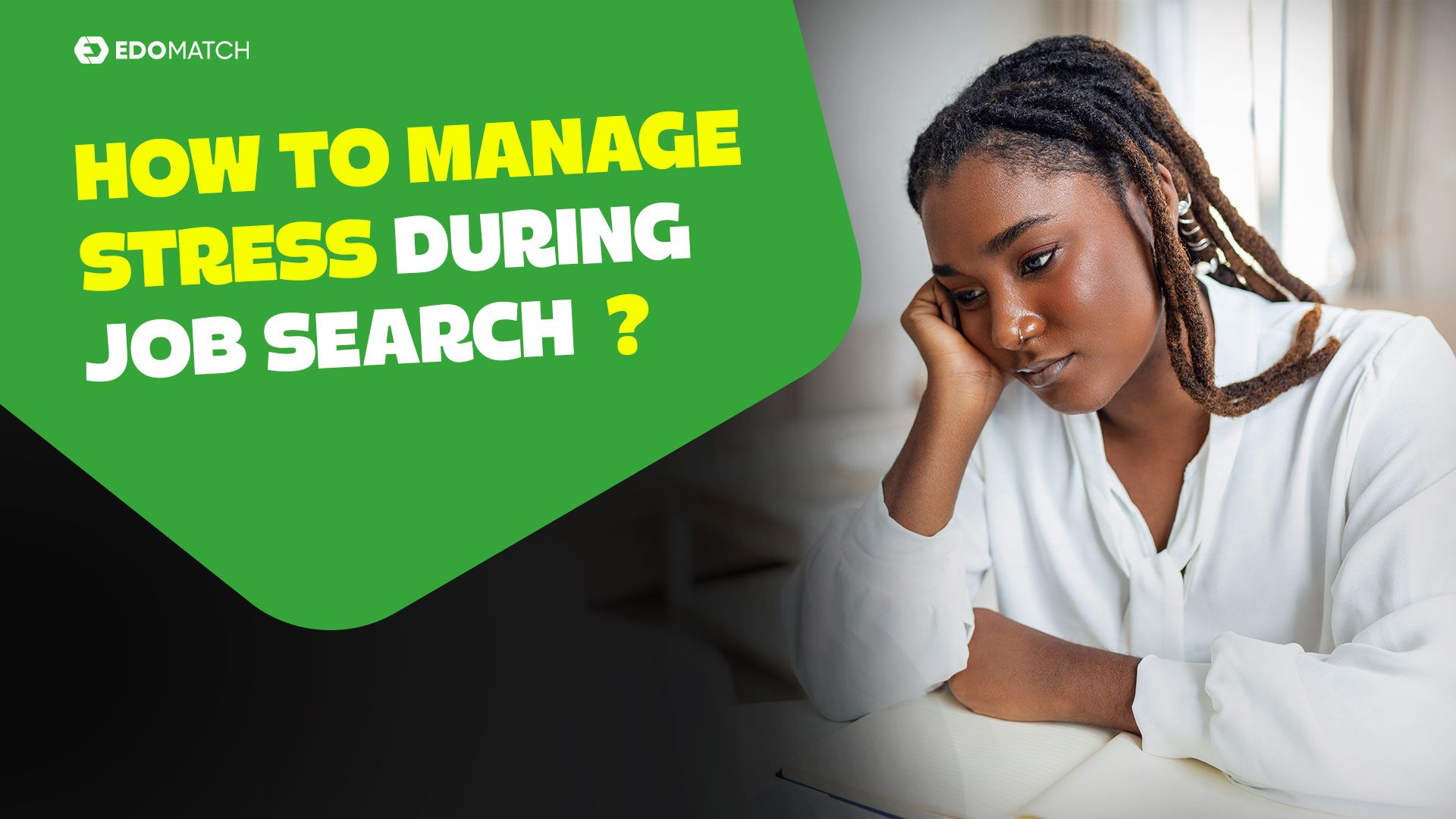
The quest for a new professional challenge is a pivotal step that, although stimulating, often comes with a heavy emotional load. In 2025, increased competition and digitalized recruitment processes may accentuate this sense of urgency and uncertainty. Knowing how to manage stress during the job search is no longer an option, but an essential skill to maintain one’s performance and mental health over time. This in-depth guide proposes concrete methods to transform this transition period into a serene and controlled journey.
Why is it complex to manage stress during job search?
Stress related to unemployment or career transition is rooted in several psychological and material factors. The first cause is often financial uncertainty, which generates constant anxiety about bills and the future. To this is added the feeling of losing social identity, particularly strong among those who define their personal worth by their professional title.
The absence of feedback after sending numerous applications, a phenomenon known as 'ghosting', creates a deep sense of rejection. This rejection can alter self-esteem and feed a paralysing impostor syndrome. Understanding that these emotions are normal reactions to an abnormal situation is the starting point for better managing stress during job search. The challenge is not to let these tensions alter the quality of your presentation during real opportunities.
Create a structured routine to better manage stress during the job search
One of the candidate’s biggest enemies is the lack of structure. Without fixed schedules, the days stretch, guilt settles as soon as one takes a break, and efficiency falls. To remedy this, consider your research as a full-time job, but with clear boundaries. Define dedicated time blocks: two hours for the day before on platforms, two hours for the customization of resumes, and one hour for networking. Use tracking tools to visualize your progress. A simple notebook or a task management application allows you to see the progress made, even if the final contract is not yet signed. Celebrate small victories: a first contact with a recruiter, an invitation to a telephone interview or the complete update of your online profile are real successes. This goal-based approach helps manage stress during the job search by restoring a sense of control over one’s daily life.
Adopt healthy lifestyle habits to manage stress during the job search
Body and mind are intimately linked. Neglecting one’s lifestyle on the pretext that one is 'not in position' is a major strategic mistake. Physical activity is undoubtedly the best natural anxiolytic. A brisk walk or a sports session releases endorphins that help regulate mood and relieve muscle tension accumulated in front of the computer. Sleep also plays a crucial role. Chronic fatigue decreases mental clarity and makes job interviews much more challenging. Similarly, a balanced diet supports your cognitive abilities and psychological endurance. By taking care of your physical health, you send an image of energy and dynamism to recruiters. These daily reflexes are fundamental pillars for managing stress during the job search effectively.
Use relaxation techniques to manage stress during job search
Faced with the pressure of deadlines and interviews, it is necessary to master tools for immediate calm. Cardiac coherence is a simple breathing method: inhale for five seconds, then exhale for five seconds, for three to five minutes. This exercise synchronizes the heart rate and the nervous system, causing the level of cortisol, the stress hormone, to fall. Visualization is another powerful technique. Before an interview, take a few minutes to imagine yourself in the room (or in front of your screen), responding confidently and calmly to questions. This mental preparation reduces the impact of stress related to the unknown. By integrating these moments of disconnection, you avoid the burnout of job search and remain operational to seize the right opportunity. Managing stress during the job search requires this ability to grant oneself parentheses of silence and relaxation.
Rely on one’s network to better manage stress during the job search
Isolation is the most dangerous trap. Staying alone in front of your screen accentuates negative thoughts. Networking should not be seen only as a quest for information, but as a human exchange. Discussing with former colleagues or peers allows you to realize that your difficulties are shared. It helps to de-emphasize the situation and get concrete advice that you would not have found alone. Participate in webinars, join groups of job seekers on social media or attend recruitment events. These interactions keep your social skills awake and remind you that you are part of an active community. To manage stress during the job search, it is essential to feel supported and surrounded by people who understand your reality.
Successfully transition and manage stress during the job search with EdoMatch
Dealing with stress during the job search requires a rigorous method and adapted tools. By combining a solid organization, a healthy lifestyle and a caring environment, you turn this waiting period into a stage of personal growth. You no longer endure the market, you approach it with a clear strategy.
To simplify your procedures and reduce uncertainty, use tools that work for you. **EdoMatch is the app designed to intelligently connect African talent to the best opportunities. ** Thanks to an intuitive interface and a powerful algorithm, you save precious time and target the positions that really match your skills.
Download EdoMatch now at Google Play Store or App Store. Move from anxiety to action and finally find the professional opportunity you deserve.